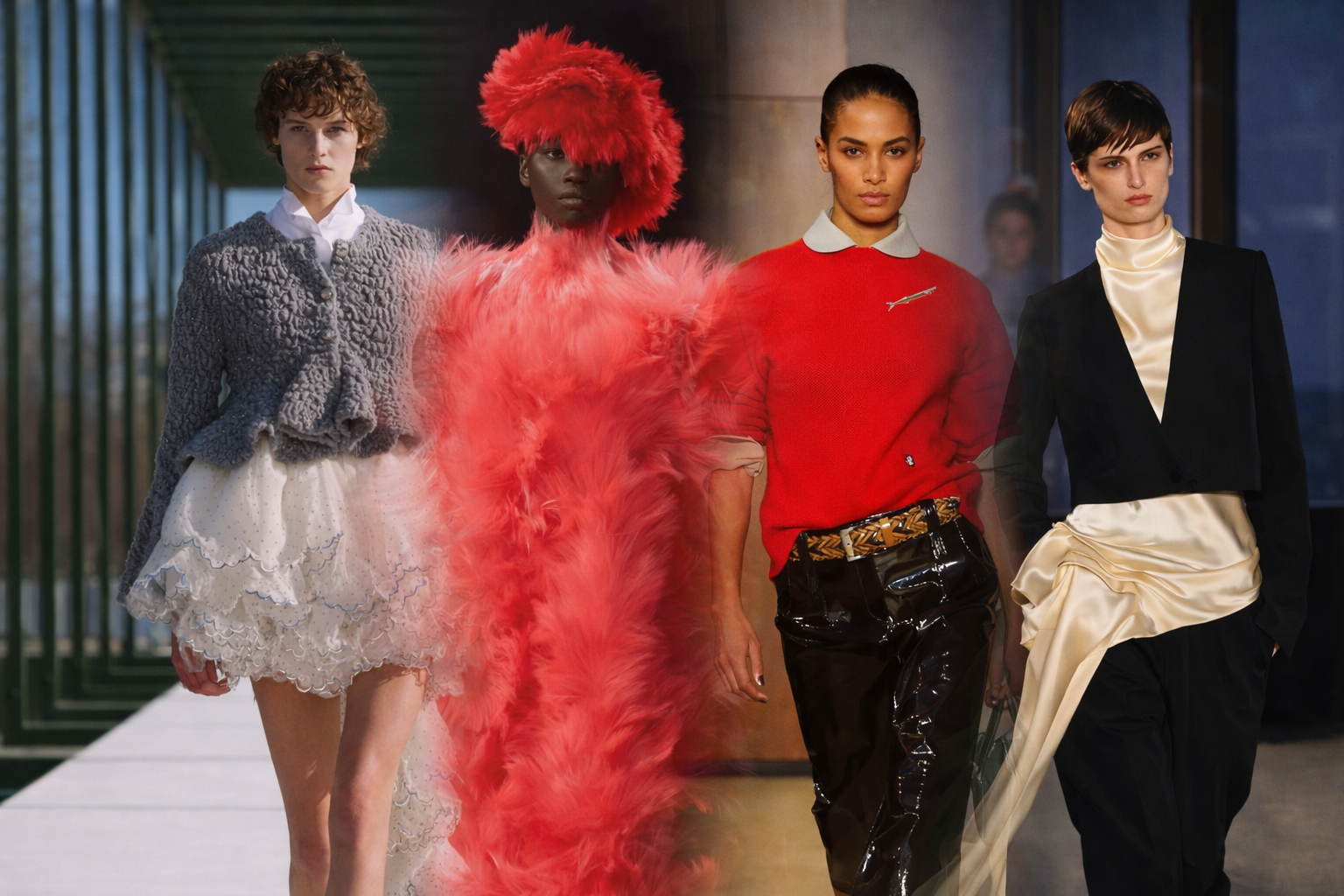
After an entire month of non-stop collection unveilings, fashion weeks across the big four—New York, London, Milan, and Paris—have come to a close. Now that the dust has settled, we can take a step back and look at what’s shifted, what’s emerged, and whether the great musical chairs of creative directorial debuts was worth it.
The Fall 2026 season presented a range of things to talk about, but follow along as we break down what’s worth knowing for the season ahead.
The Creative Director Shuffle Was Worth It
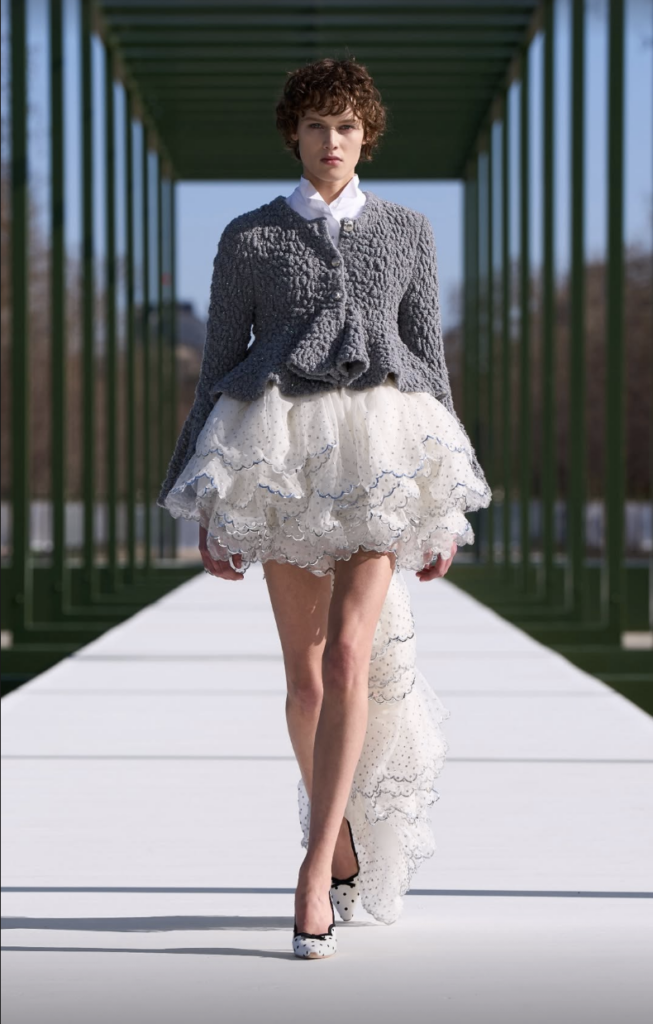
Last season, the fashion scene was turned on its head when several major fashion houses appointed new creative directors. We saw Jonathan Anderson go from Loewe to Dior, Louise Trotter from Carven to Bottega Veneta, and Matthieu Blazy from Bottega Veneta to Chanel, to name a few.
While much of the fashion community was excited, the shifts also stirred up a lot of chatter, with people questioning whether any of it was necessary, especially as some designers were deeply beloved by their respective houses.
For FW26, we saw these designers settle into their new roles and design language, with many of them debuting their sophomore womenswear collections. From the couture-level women’s ready-to-wear we saw from Jonathan Anderson to the breathtaking textured garments Louise Trotter sent down the runway at Bottega, it’s safe to say that the creative director shuffle was well worth it.
I especially appreciate the freshness injected into each house, giving the season new life. It’s also exciting to see each designer’s signature language come through under a new lens and direction within their respective houses. For example, the newness Blazy is infusing into Chanel—through texture, diverse casting, and a renewed sense of energy—is intoxicating. The rush to Chanel boutiques for a taste of his first collection is all the proof we need.
All in all, the mix-up is giving us so much ingenuity to look forward to, and we cannot wait to see these designers fall deeper into their roles and continue unveiling new stories for their houses.
Classic Silhouettes Take Center Stage, but in a New Way
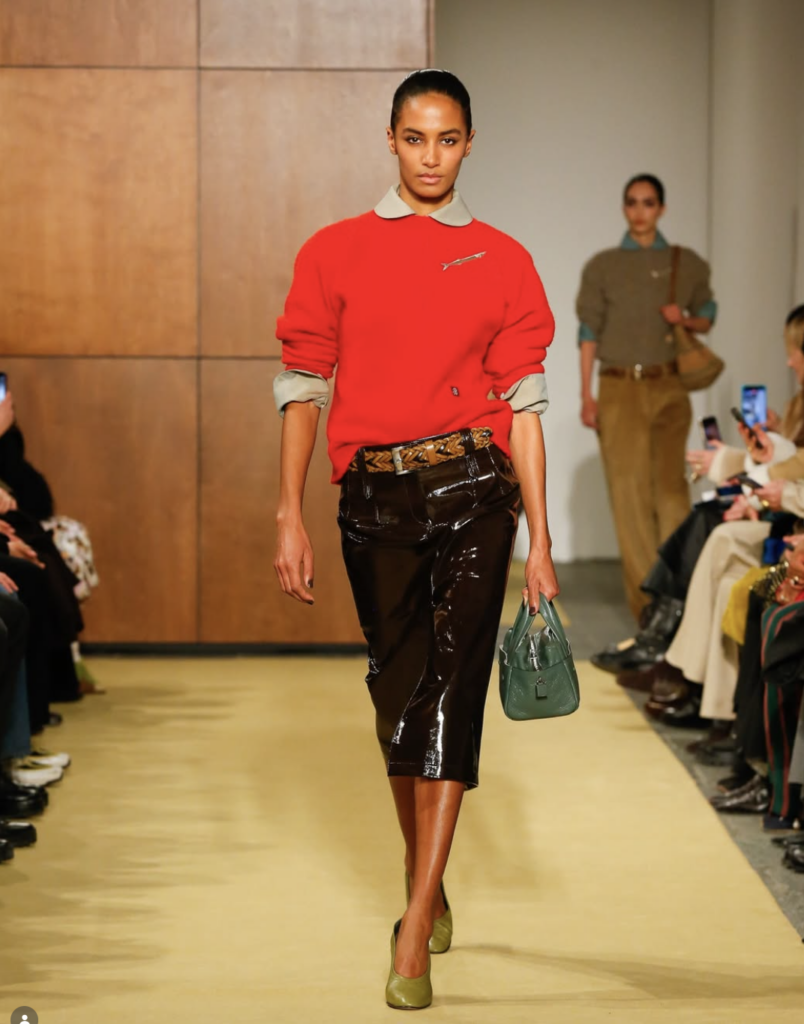
With the current state of the economy and the world at large, many designers are being more practical about what they present to retail. Many returned to the classics—great tailoring, minimalist designs, and neutral color palettes—to cater to a market that may be leaning toward pieces with longevity rather than statement-driven designs.
We saw this play out at Tory Burch, who embraced timelessness at her Fall/Winter show in New York, presenting her signature sportswear polos and dropped-waist skirts styled in a way that, when pulled apart, feels practical for everyday wear, yet styled enough to feel special.
Another example came from Rachel Scott’s runway debut for Proenza Schouler, where she presented a new “New York Woman” who feels more like a global citizen, with a wardrobe to match. The collection featured peplum jackets that added flair to otherwise classic tailoring, alongside stunning dresses that were simple, yet highly effective.
Texture Is the New Print
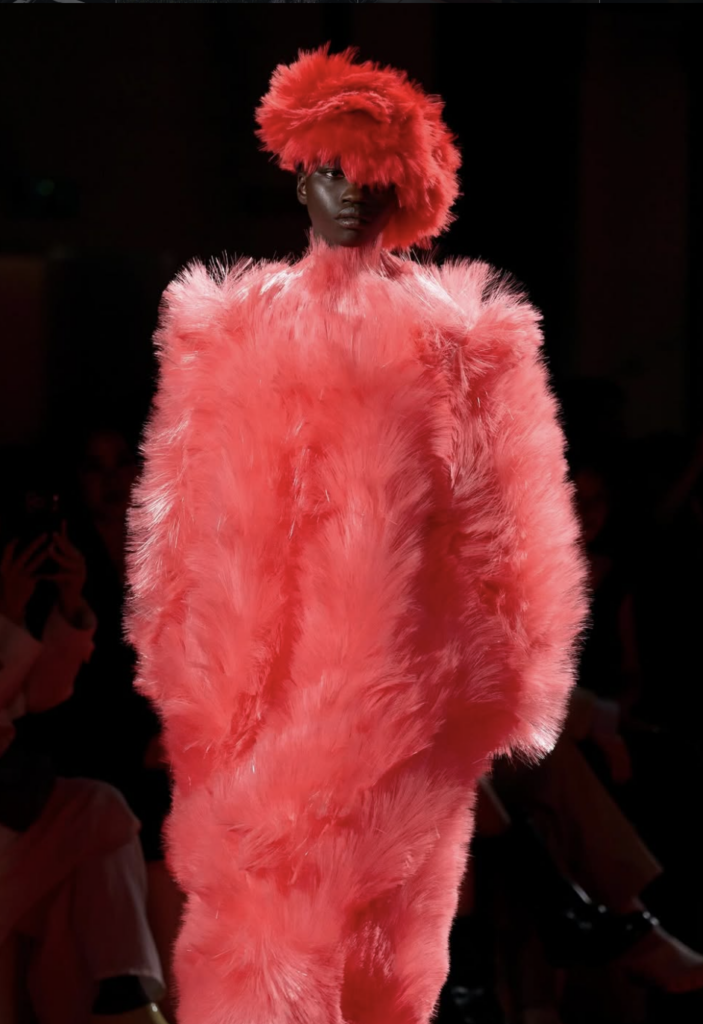
While timelessness was a major theme this season, texture still took center stage—most notably at Louise Trotter’s Bottega Veneta, where oversized faux fur coats, evolving from her previous work, made a strong impact on the runway.
Her interpretation of texture was so compelling that it could easily replace print altogether. It felt that strong.
Other collections where texture stole the show included Diotima, where the opening look—a printed-textured halter dress with an A-line skirt—set the tone beautifully. And to close out the season, we have to mention Matthieu Blazy’s silk slips and new chainmail Chanel suits, which brought a fresh dimension to the house’s codes.
Collections Are Back at the Center of Fashion Week
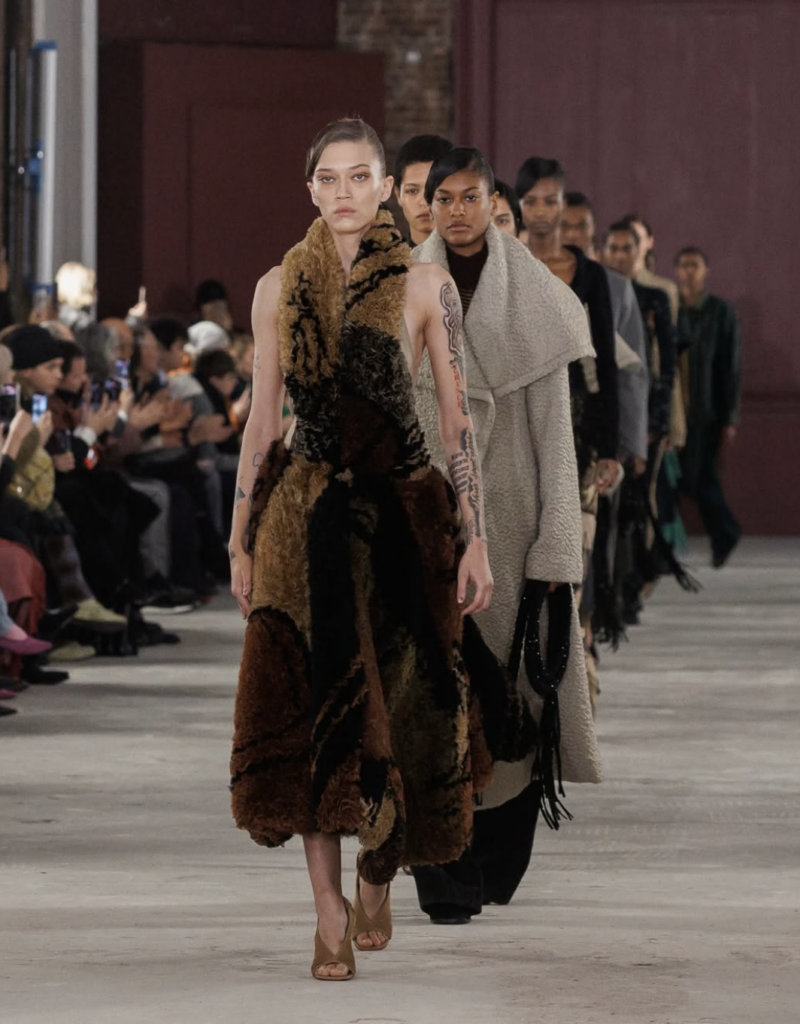
With ongoing chatter about “New York Fashion Week being dead,” the collections told a different story. While the surrounding fashion scene may feel like it’s waning, the runways themselves are more alive than ever.
This shift was especially noticeable at NYFW, where the social scene felt quieter than usual. However, designers leaned into the moment, focusing on what matters most: the clothes.
This season may signal a return to the essence of fashion week—designers, collections, and craftsmanship. It could mark a healthy reset for the fashion month circuit, particularly in New York. And perhaps, as the runway regains strength, the surrounding fashion scene will follow, feeling more alive and original once again.
Eveningwear Is Becoming Daywear
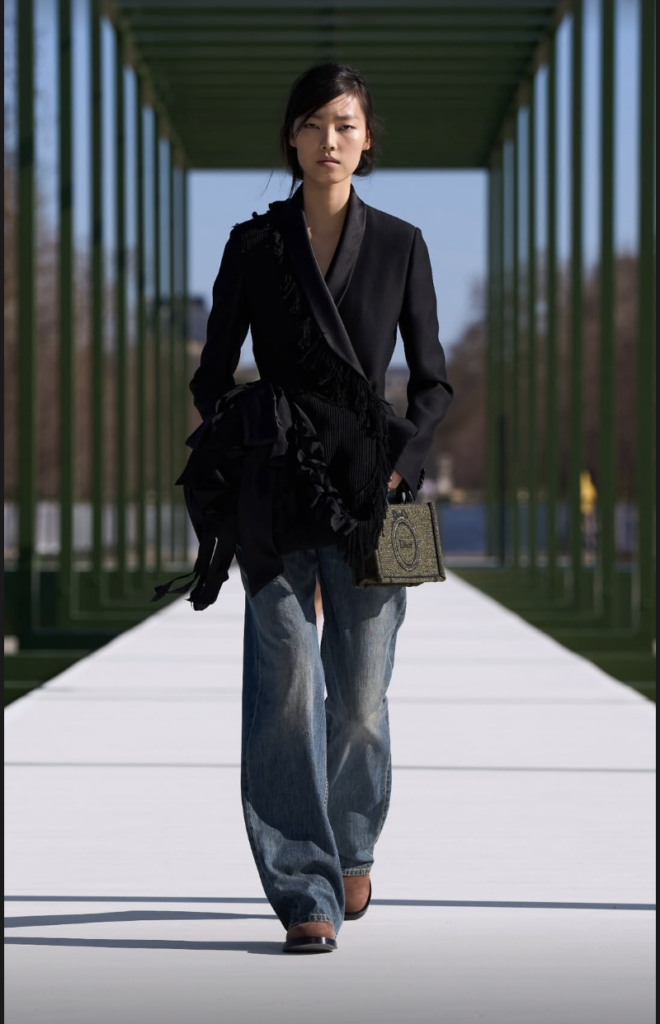
There was a noticeable shift toward glamorous elements appearing in ready-to-wear. Shimmering slips, metallic textures, and embellished pieces were styled in ways that felt wearable beyond formal occasions.
This was especially evident at Dior, where classic silk-lapel jackets were paired with denim and satin shoes. It feels like a breath of fresh air, giving new life to eveningwear and creating more opportunities to wear it beyond traditional settings.
We’re fully embracing a year-round, 360 wardrobe.