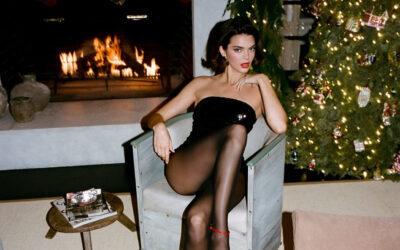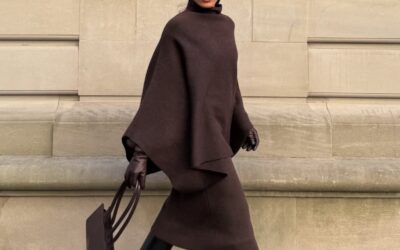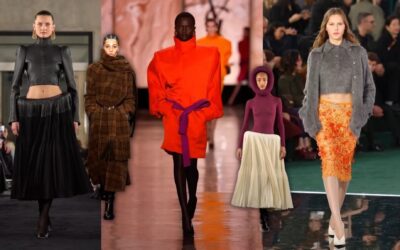
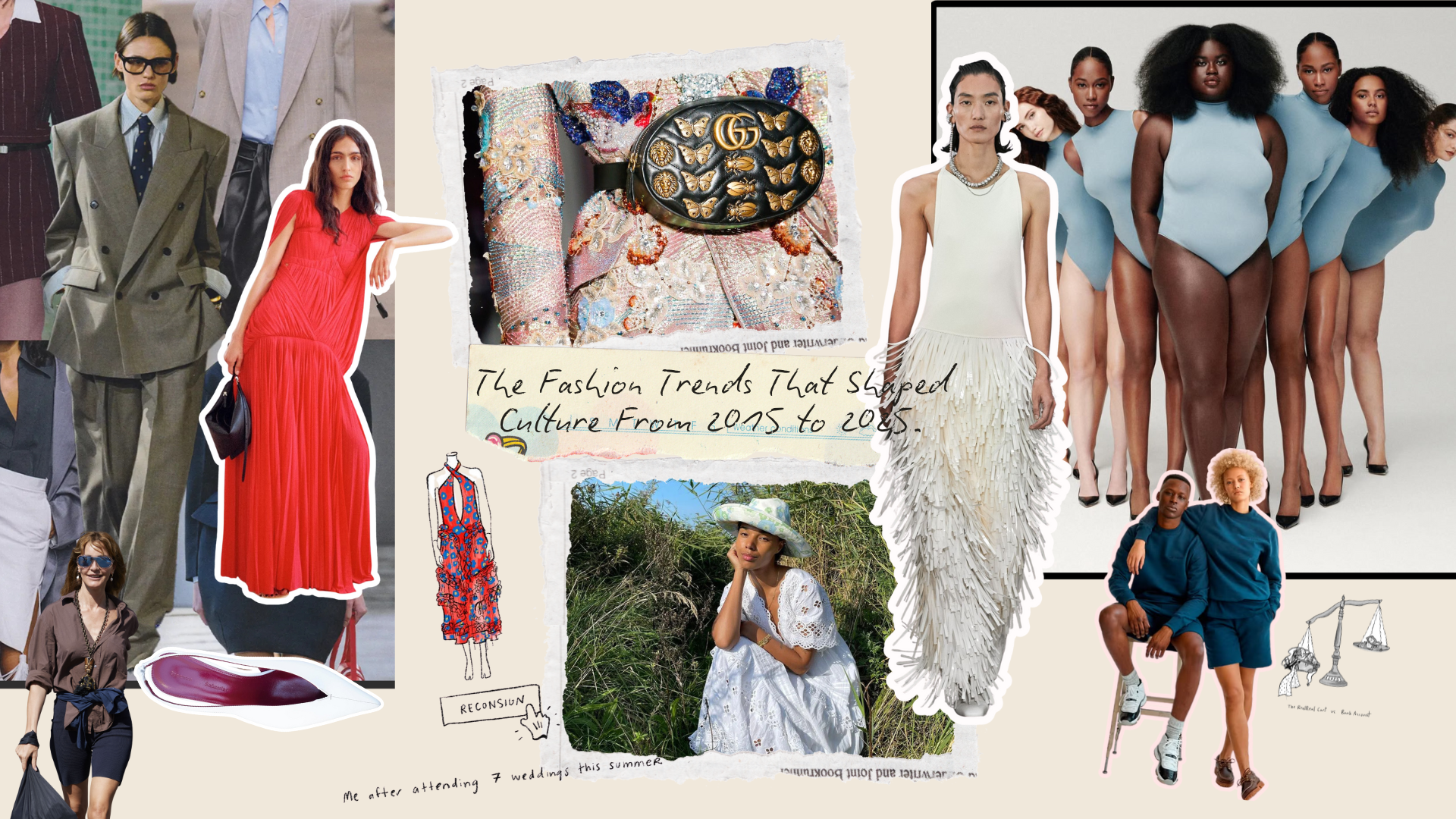
Fashion in the last decade has moved faster than ever before: shaped by Instagram, TikTok, a global pandemic, and the rise of personal style as currency. From minimalist cool to Y2K revivals, and from logo mania to quiet luxury, the evolution of style from 2015 to 2025 tells us not just what we wore, but how culture itself shifted. To mark IN THING’s tenth anniversary, we revisit the defining fashion moments of 2015–2025, the decade that shaped our style. Here’s to celebrating 10 years of style.
2015: Instagram Cool & Minimalism
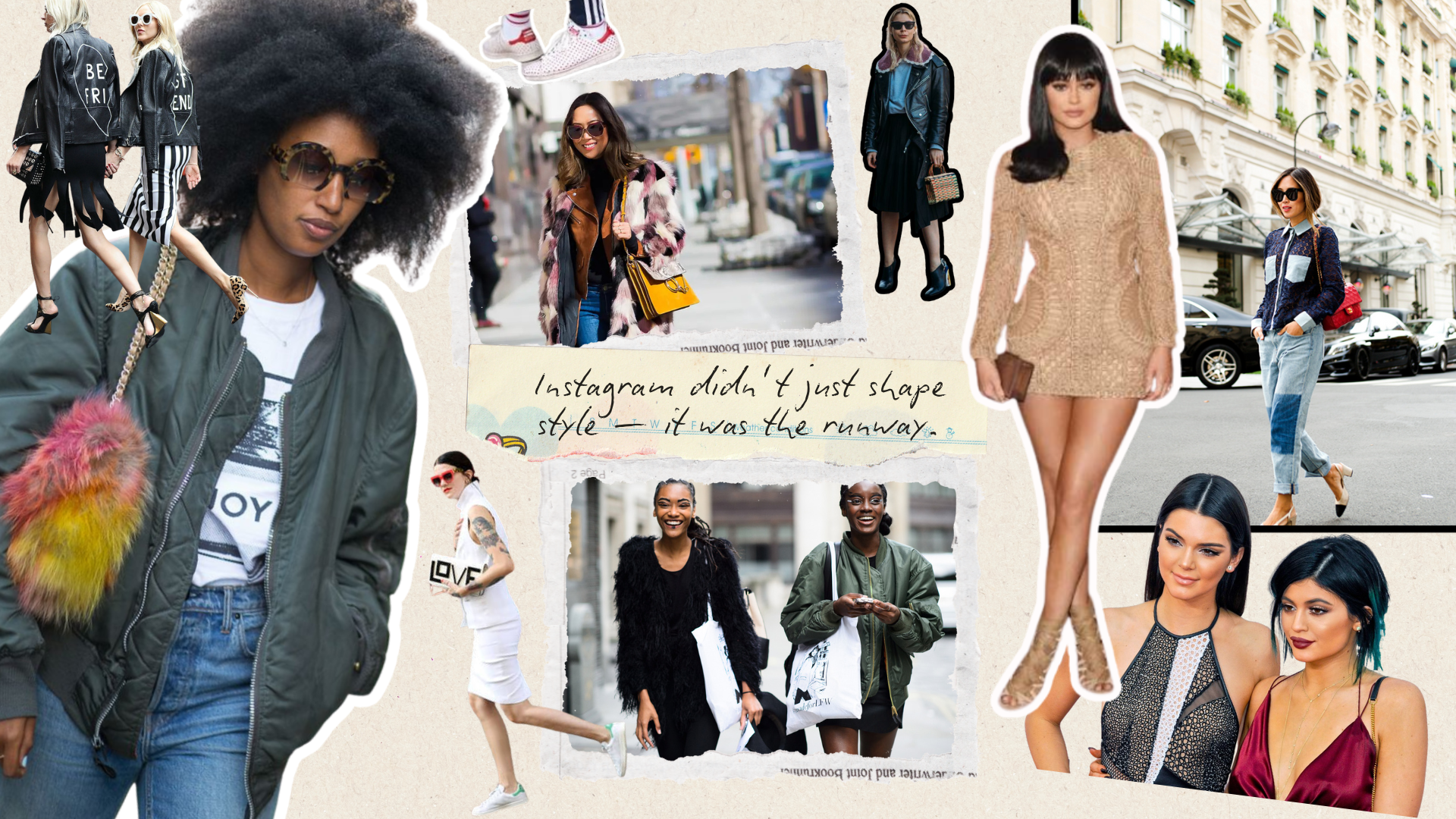
The mid-2010s were defined by Instagram’s glossy feed culture. Style was aspirational, curated, and streamlined — think white sneakers, skinny jeans, and perfectly tucked white tees. Normcore minimalism and athleisure emerged, while boho festival fashion lingered with lace kimonos and fringe bags. The Kardashian-Jenners, Balmain bodycon, and early influencer icons set the tone for what it meant to be “Insta-famous.”
2016: Millennial Pink & Streetwear Emerges
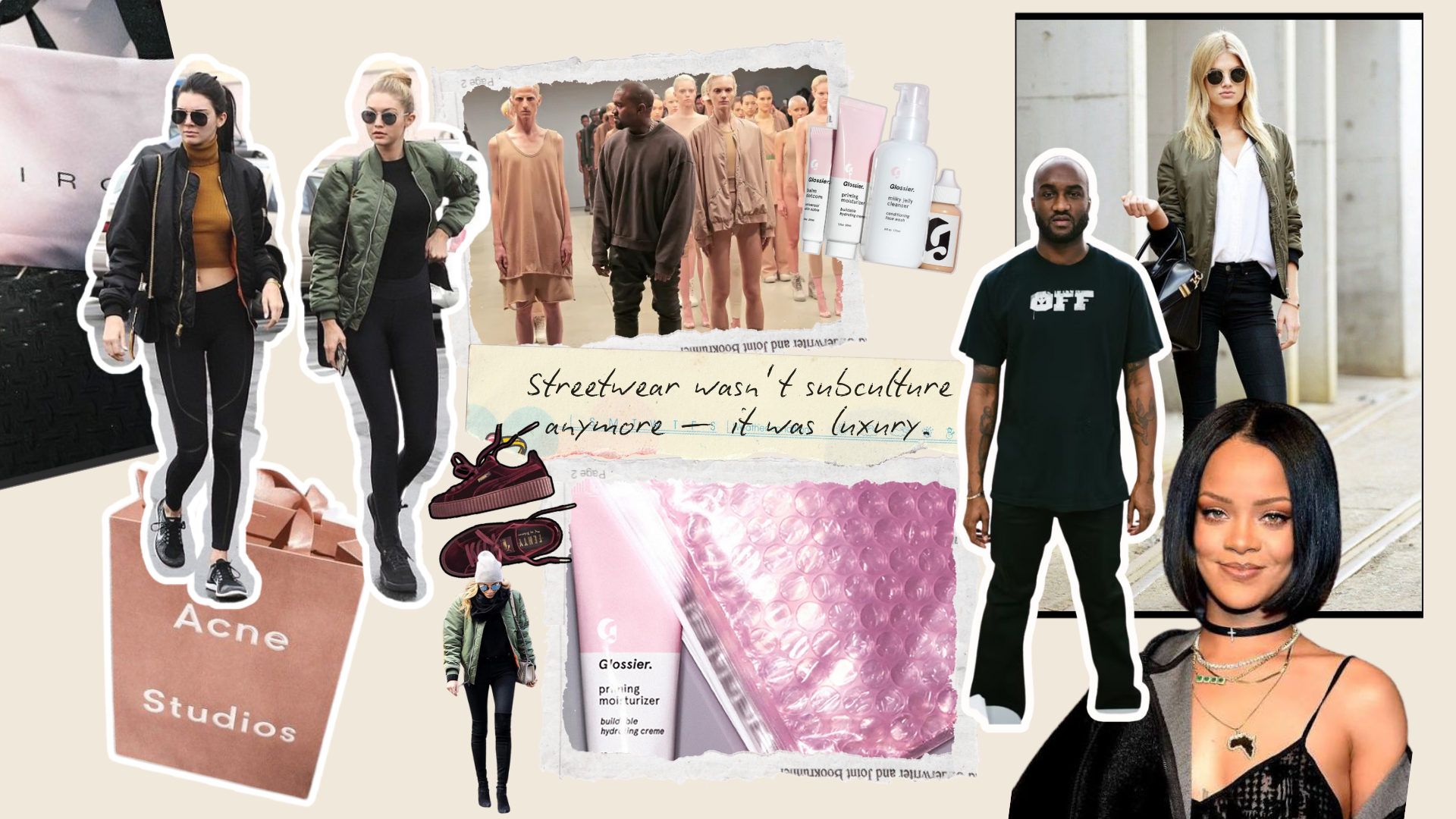
By 2016, “millennial pink” was everywhere — on Glossier shelves, Acne Studios shopping bags, and Instagram flatlays. Streetwear began to dominate, driven by Supreme, Yeezy, and Rihanna’s Puma Creepers. Bomber jackets, slip dresses, and chokers became daily staples. Social media was no longer just a backdrop; it was the runway.
2017: Logo Mania & Luxe Streetwear
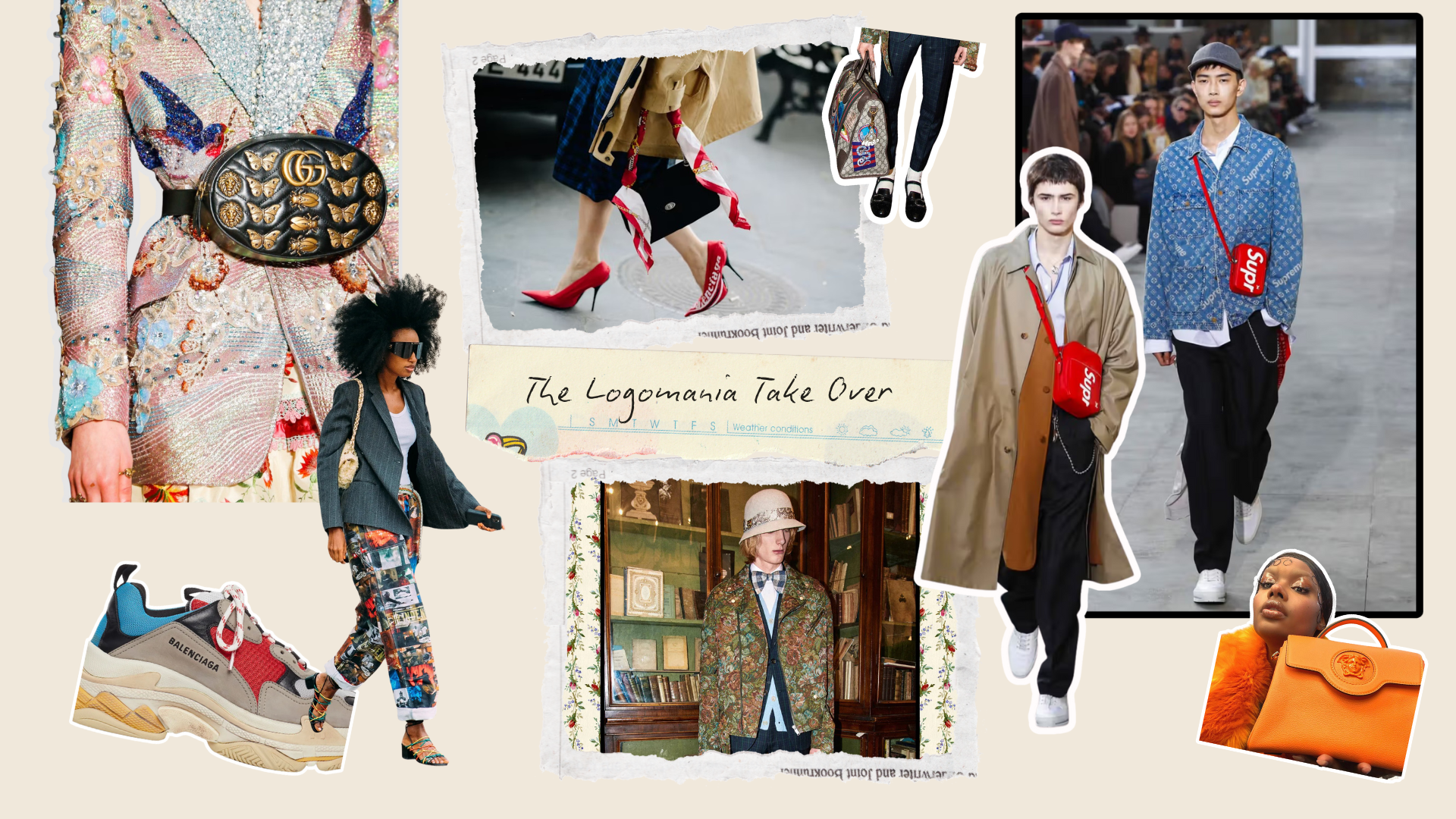
This was the year of the flex. Logomania exploded with Gucci belts, Balenciaga Triple S sneakers, and the game-changing Louis Vuitton x Supreme collaboration. Athleisure became luxe, with hoodies and track pants styled alongside stilettos. Streetwear wasn’t subculture anymore, it was high fashion.
2018: The Instagram Uniform
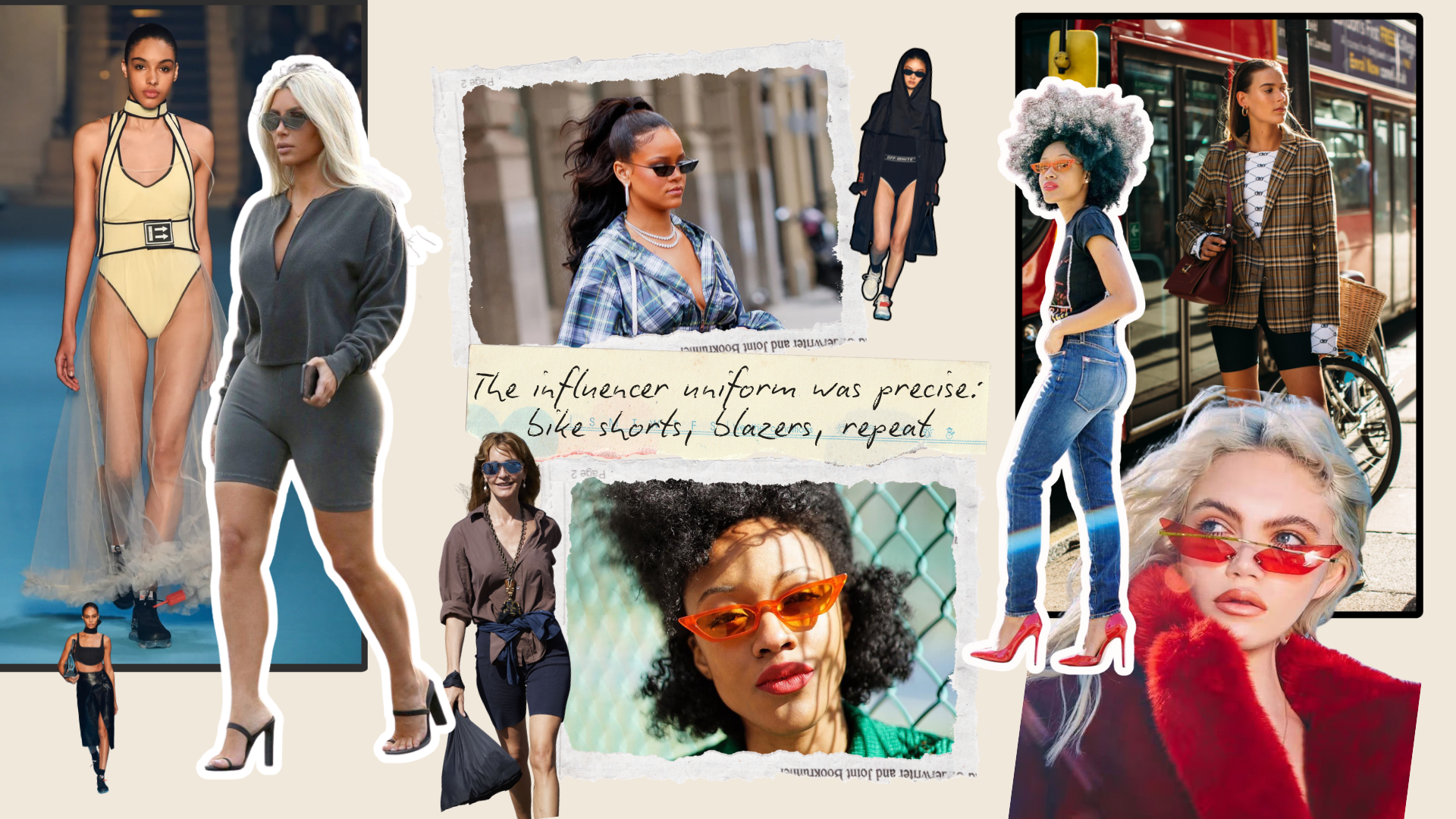
Influencers reigned supreme. The aesthetic was sharp and specific: bike shorts with oversized blazers, belt bags worn crossbody, and tiny, futuristic sunglasses. Animal prints resurfaced, and neon dominated feeds. “Instagram brands” like Réalisation Par and Revolve fueled an aspirational, party-girl-meets-streetwear look.
2019: TikTok Subcultures & Cottagecore DreamS
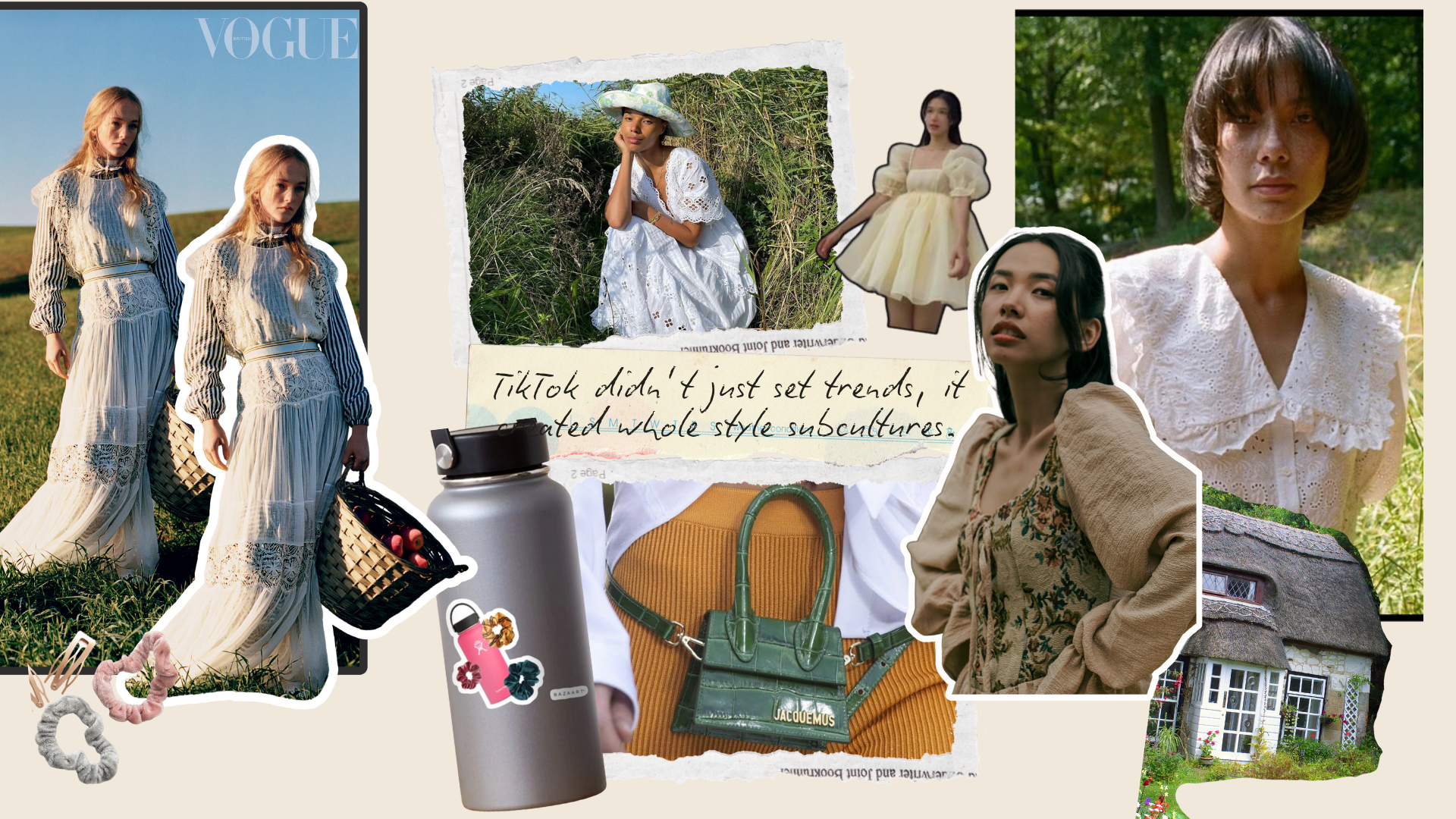
As TikTok rose, so did niche aesthetics. E-girls and VSCO girls went viral, defined by layered chains, plaid pants, scrunchies, and oversized tees. At the same time, cottagecore emerged as a romantic, escapist antidote with prairie dresses and puff sleeves floating through fields and feeds alike. Vintage resale platforms like Depop shaped a new wave of sustainable, DIY-inspired dressing.
2020: Pandemic Dressing
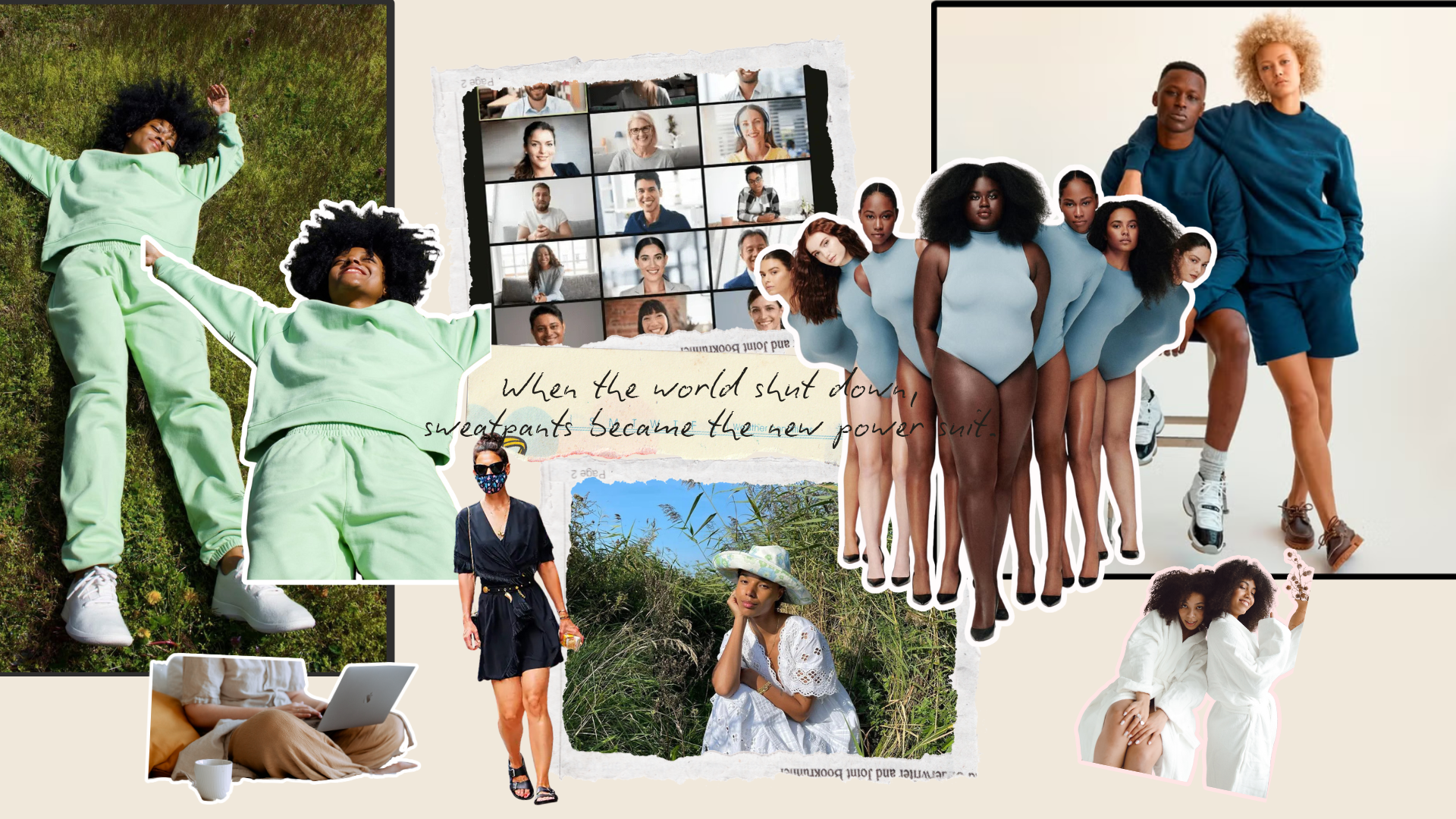
When the world shut down, wardrobes shifted overnight. Matching sweatsuits and loungewear became uniforms, with tie-dye DIY booming. Zoom-ready dressing meant “business on top, comfort on bottom.” Cottagecore flourished as an escapist fantasy, while small independent brands found new audiences through digital communities.
2021: Y2K Revival & Dopamine Dressing
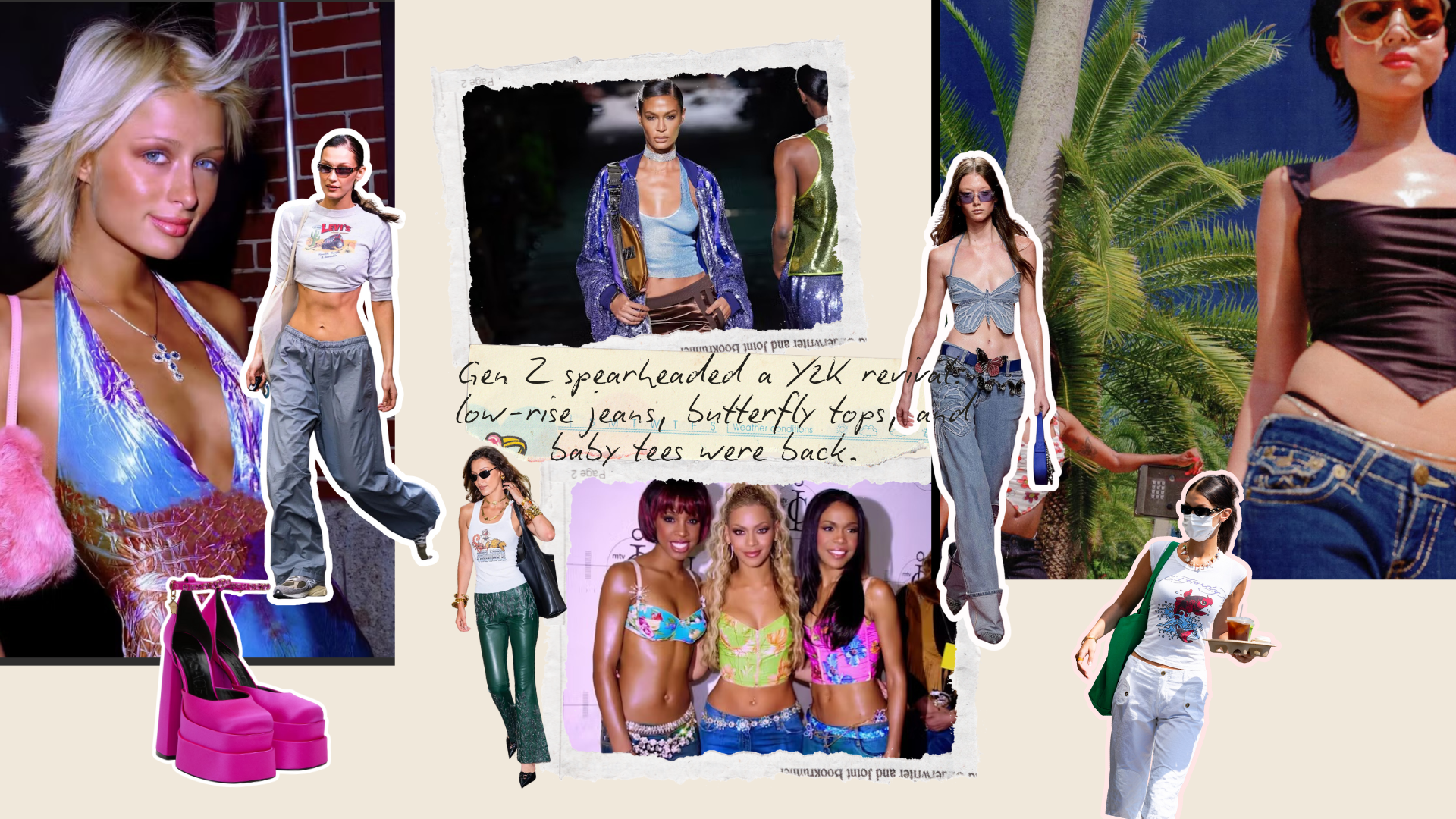
With reopening came maximalism. Gen Z spearheaded a Y2K revival: low-rise jeans, butterfly tops, and baby tees were back. Cutouts, mesh, and neon hues dominated a “dopamine dressing” movement, fueled by joy, excess, and the thrill of being outside again. Platforms and micro-bags like Jacquemus’s mini bag and Versace’s towering heels became status symbols.
2022: TikTok’s Aesthetic Explosion
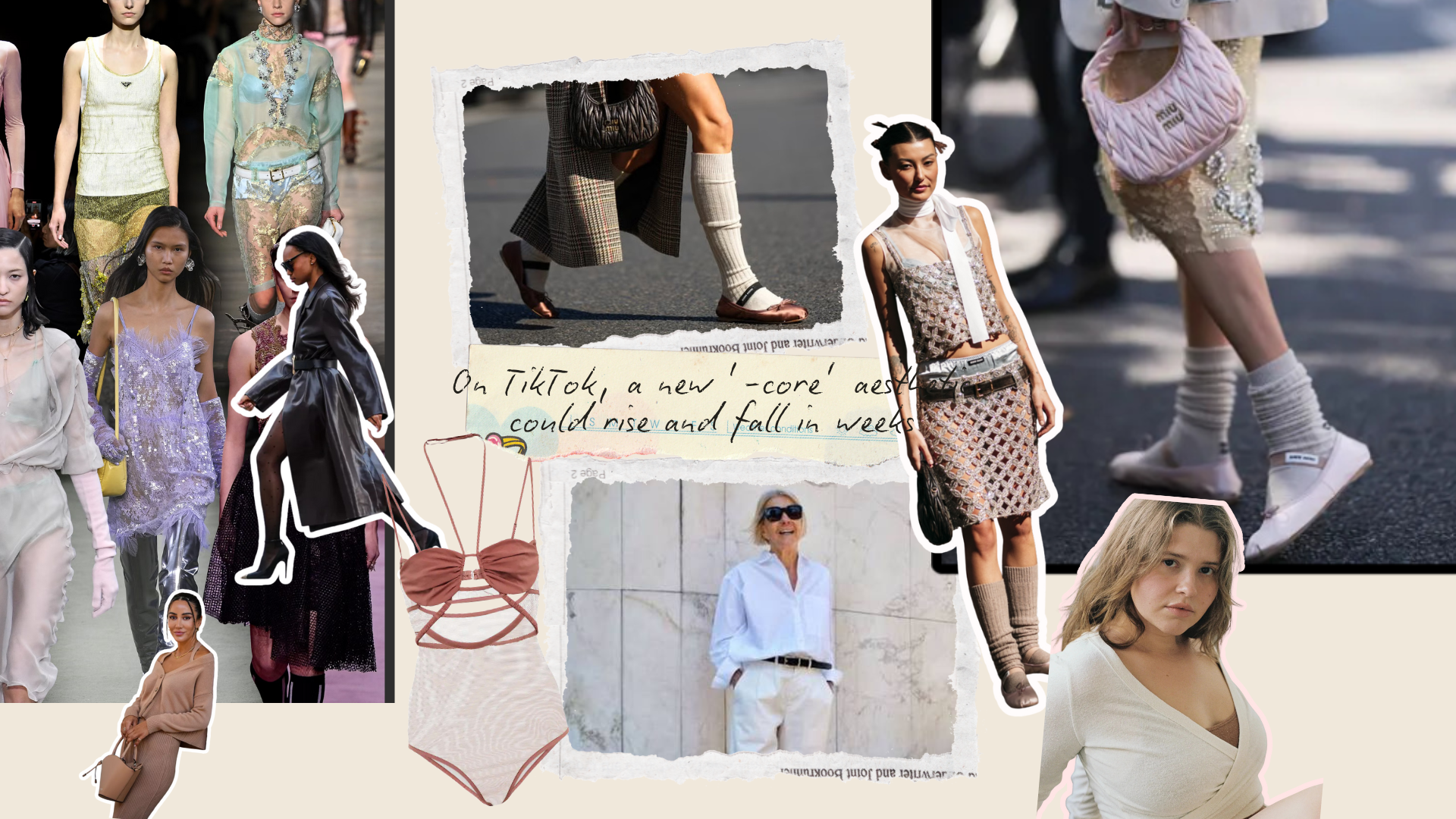
No single look defined 2022. Instead, TikTok’s rapid-fire trend cycles birthed endless “-cores”: coastal grandmother (linen button-downs and neutral knits), balletcore (wrap tops, leg warmers), gorpcore (technical jackets and trail sneakers). Cargo pants staged a major comeback, signaling a shift toward utility. Micro-trends came and went in months, not seasons.
2023: Quiet Luxury vs. Maximalist Rebellion
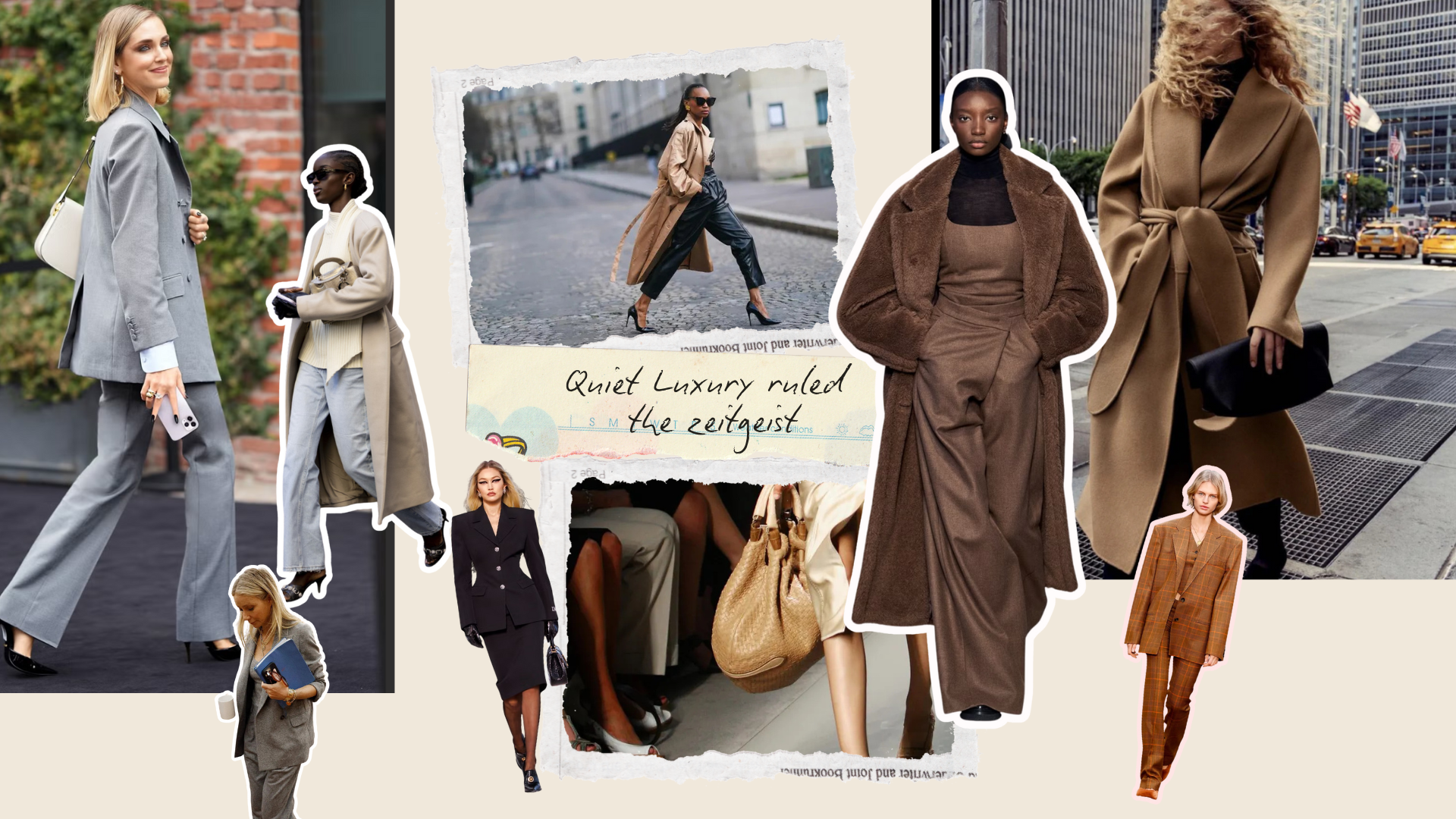
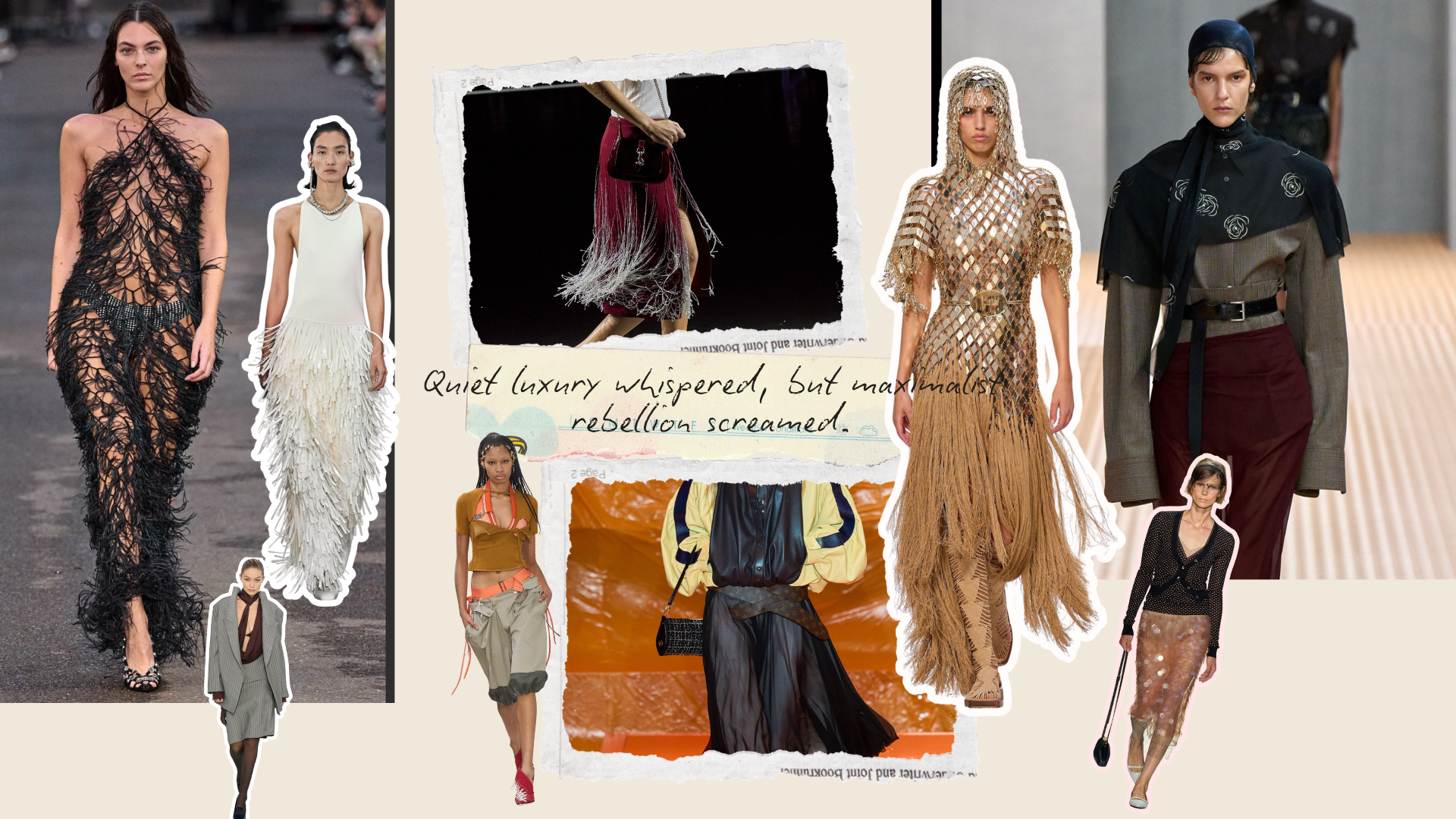
Fashion splintered into two camps. On one side: quiet luxury, a stealth wealth aesthetic built on neutral cashmere, tailored coats, and logo-free investment pieces (thanks to Succession and Gwyneth Paltrow’s courtroom looks). On the other: maximalist rebellion indie sleaze, denim maxi skirts, metallics, and messy nightlife glam. TikTok’s debate of “old money vs new money” defined the cultural conversation.
2024: Eclectic Maximalism & Personal Style
By 2024, there was no single trend and that was the point. Style became increasingly about curation and mixing eras. Sheer fabrics, statement reds, and oversized accessories sat alongside capsule wardrobe minimalism. Some leaned into “fewer, better” pieces, while others reveled in excess. Fashion felt less like following rules, and more like building your own playbook.
2025: Future Vintage & Individualism
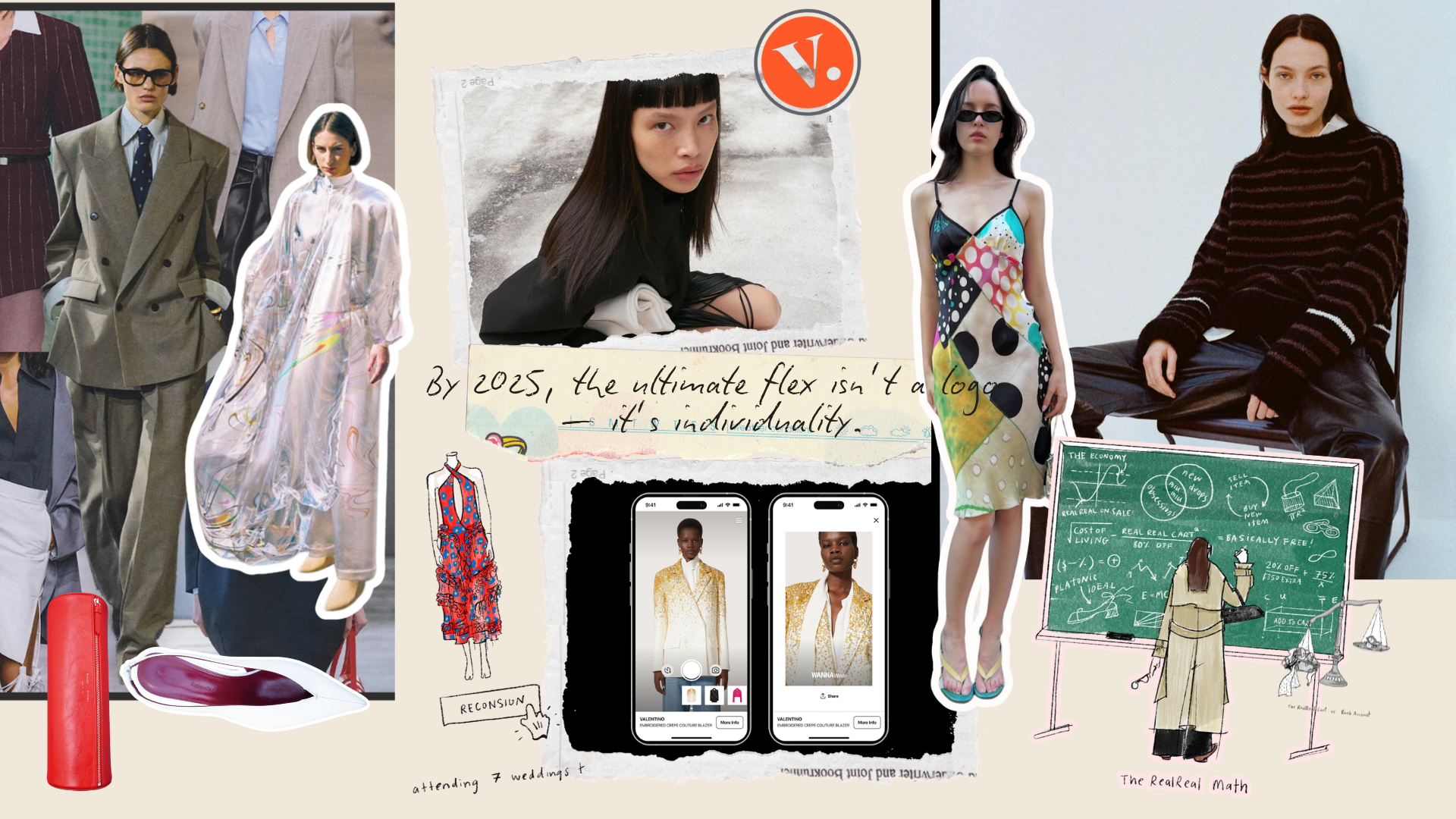
In 2025, personal style is the ultimate status symbol. The focus is on buying pieces with longevity or “future vintage” that will still matter a decade from now. Luxury streetwear has cooled, replaced by tailoring and quality essentials. Digital and tech-integrated fashion experiments (AR try-ons, AI styling) are part of the conversation, but so is conscious consumption. We’ve moved from trend-chasing to true individualism.
The Decade in Review
From 2015’s Instagram minimalism to 2025’s personal style era, fashion has cycled through extremes: minimalism to maximalism, logos to stealth wealth, nostalgia to futurism. The throughline? Each shift reflects the culture from the rise of social media to the disruptions of a global pandemic. What we wore over the last ten years tells a story not just about clothes, but about the world we lived in.